
Charity Operations Software | Governance and Compliance Management
Run your charity more efficiently with charity operations software designed for the unique challenges of the third sector. OpsPal helps charities manage volunteer coordination, demonstrate governance to trustees and the Charity Commission, track compliance obligations, manage multi-site operations, and prove accountability to funders and donors—all while maximising the impact of limited resources. You can get discounts as a charity from the Charity Intelligence website.








































Manage volunteers and staff in one system
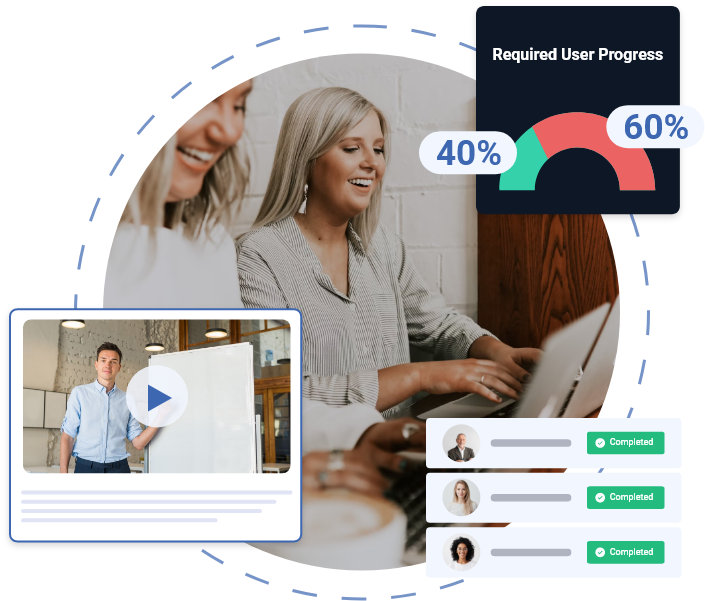
Charities depend on volunteers alongside paid staff, creating unique operational management challenges. Volunteer availability fluctuates, qualifications vary, training needs differ from employees, and governance requirements demand proper oversight.
OpsPal treats volunteers as first-class users. Track volunteer inductions, DBS checks, safeguarding training, role-specific qualifications and availability. Assign tasks to volunteers or staff based on competency and schedule. See who’s completed essential training and who needs renewals before they work with vulnerable people.
Digital induction streamlines volunteer onboarding
New volunteers receive role-specific training, policies and procedures through their user area. Track completion showing which induction elements are finished — safeguarding, health and safety, organisational values, activity-specific training. This systematic approach ensures consistent volunteer preparation regardless of which paid staff supervise them.
Volunteers access the information they need without constant staff supervision
Procedures, risk assessments, activity guides and reference materials are available on any device. This empowers volunteers to work safely and effectively whilst reducing the burden on stretched staff teams.
Multi-site charities gain visibility of volunteer deployment across locations. See which sites have sufficient volunteers, which need recruitment, and where experienced volunteers could support newer sites. Track volunteer contributions across your charity, evidencing the value volunteers deliver to support funding applications and trustee reports. See how we help Onside Youth Services here
Demonstrate governance to trustees and regulators
Charity trustees carry legal responsibilities for governance, compliance and risk management. The Charity Commission expects demonstrable governance systems, not informal arrangements relying on individual knowledge. OpsPal provides the structure and audit trails trustees need.
Charity Commission compliance
Track activities required by the Charity Commission and charity law — annual returns, risk assessments, safeguarding policies, financial controls, trustee meeting schedules, conflicts of interest registers. Automated reminders ensure compliance deadlines aren’t missed. Complete audit trails show systematic governance rather than reactive responses to regulatory requirements.
Safeguarding accountability
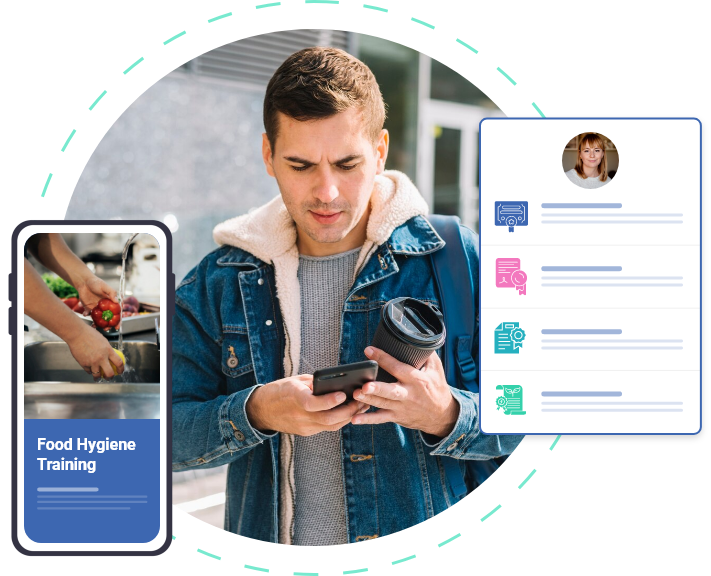
Safeguarding is paramount for charities working with children, young people or vulnerable adults. Track DBS checks, safeguarding training, supervision records and incident reporting. Link safeguarding requirements to the activities requiring them — only appropriately checked and trained volunteers work with vulnerable beneficiaries. This systematic approach evidences safeguarding governance to trustees, funders and inspectors.
Risk management for trustees
Trustees must understand and manage organisational risks. Maintain risk registers covering operational, financial, reputational, safeguarding and compliance risks. Track which controls are implemented and effective. Provide trustees with risk oversight through dashboards and reports, supporting informed governance decisions.
Policy management and acknowledgement
Ensure staff and volunteers read organisational policies — safeguarding, health and safety, data protection, equality and diversity, complaints handling, whistleblowing. Track who has acknowledged policies, creating evidence that your charity communicates governance standards throughout the organisation.
Audit trails for inspections
Whether facing Ofsted inspection, Charity Commission inquiry, funder audits or quality assessments, produce comprehensive evidence instantly. Show how activities are managed, risks controlled, incidents investigated and improvements implemented. Demonstrate systematic governance rather than spending weeks compiling evidence from scattered sources.
Prove accountability to funders and donors
Funders and donors expect transparency about how their money is used. Grant applications require evidence of governance, safeguarding and operational competence. Impact reports demand data showing activities delivered and outcomes achieved. OpsPal helps charities demonstrate accountability efficiently.
Track funded activities and outcomes
Link tasks, activities and service delivery to the funding streams supporting them. Track how many sessions were delivered, people reached, or services provided under each grant or contract. Generate reports showing activity completion against funded commitments, evidencing that restricted funds were used for intended purposes.
Demonstrate operational competence
Grant applications often require evidence of governance, safeguarding systems, health and safety management, volunteer training and quality assurance. OpsPal provides this evidence — showing systematic operations management, not informal arrangements that concern funders about risk.
Evidence social value and impact
Track activities contributing to social value commitments or community benefit requirements. Record volunteer hours, beneficiary numbers, geographic reach and service outputs. This data supports impact reporting, funding applications and demonstrates charity effectiveness to donors and stakeholders.
Cost transparency and efficiency
With limited resources, charities must demonstrate efficiency. Track how long activities take, which locations deliver most effectively, and where operational improvements could redirect resources to frontline impact. Show funders that their money supports mission delivery, not excessive administration.
Multi-location accountability
For charities running multiple sites, projects or service locations, prove consistent quality and governance across all activities. Location tracking shows each site meets the same standards. Compare performance across locations to identify best practice and support underperforming sites.
Frequently asked questions for charities
Q: What operational challenges do charities face?
A: Charities face unique challenges, including managing a mixed workforce of staff and volunteers, demonstrating governance to trustees and the Charity Commission, ensuring safeguarding compliance for vulnerable beneficiaries, proving accountability to funders and donors, managing multi-site operations with limited resources, and maximising impact whilst controlling administrative costs.
Q: What is Charity Commission compliance?
A: Charity Commission compliance includes registering as a charity, submitting annual returns and accounts, following charity law and governance requirements, managing charity funds properly, maintaining trustee records, ensuring safeguarding policies, handling complaints appropriately, and demonstrating public benefit. The Charity Commission regulates charities in England and Wales.
Q: What safeguarding requirements do charities have?
A: Charities working with children or vulnerable adults must implement safeguarding policies and procedures, conduct DBS checks on staff and volunteers, provide safeguarding training, designate safeguarding leads, maintain incident records, follow reporting procedures for concerns, ensure appropriate supervision, and demonstrate safeguarding governance to trustees and funders.
Q: How do charities manage volunteers effectively?
A: Effective volunteer management includes structured recruitment and induction, DBS and reference checks where needed, role-specific training, clear responsibilities and expectations, regular supervision and support, recognition and appreciation, tracking contributions, ensuring appropriate insurance, and managing volunteer records for governance and safeguarding.
Q: What accountability do charities owe to funders?
A: Charities must demonstrate to funders how grant funding was spent according to restrictions, activities and outcomes delivered against commitments, operational competence and governance, safeguarding and compliance systems, impact achieved with funding, efficient use of resources, and transparent reporting on challenges or changes to planned delivery.

Frequently Asked Questions
What is charity operations management software?
Charity operations management software is a digital platform that helps charitable organisations manage operations, demonstrate governance to trustees, track compliance obligations, coordinate volunteers and paid staff, and prove accountability to funders and the Charity Commission. Instead of relying on paper-based procedures, spreadsheets tracking volunteer rotas, and hoping trustees remember compliance deadlines, the software centralises operational documentation, task management, risk assessments, safeguarding records and incident tracking—providing visibility of charity operations whilst ensuring regulatory requirements are met consistently.
The platform addresses the unique challenges charities face. Trustee governance requires risk registers, policy acknowledgement tracking and audit trails demonstrating systematic oversight rather than reactive responses. Safeguarding compliance for organisations working with children, young people or vulnerable adults demands DBS checks, safeguarding training records and incident reporting with complete confidentiality. Volunteer coordination needs clear task assignment when availability fluctuates. Funder accountability requires evidence that grants achieve stated outcomes through proper operational management. Charity Commission compliance includes demonstrating public benefit, maintaining trustee records and managing charity funds properly.
Different charitable organisations have different operational priorities. Youth charities emphasise safeguarding alongside activity delivery. Community organisations balance volunteer coordination with service provision. Housing charities manage property compliance alongside tenant support. International development charities coordinate field operations whilst maintaining UK governance. Arts charities run venues requiring health and safety management alongside cultural programming. The software adapts to these different contexts whilst providing the systematic structure that demonstrates charity governance meets regulator expectations.
Charity operations software replaces fragmented manual systems where operational knowledge lives in individual staff or trustee memories, policies exist as Word documents on someone’s computer, and volunteer tasks are coordinated through email chains. Digital systems create transparency that trustees need for governance decisions, provide the audit trails funders expect, and support operational delivery without consuming the limited administrative capacity most charities operate within.
How does charity software help with Charity Commission compliance?
Charity software helps with Charity Commission compliance by creating systematic governance processes with complete audit trails that demonstrate trustee oversight, risk management, safeguarding protection and proper fund management. The Charity Commission expects demonstrable governance systems rather than informal arrangements relying on individual knowledge. Digital platforms track compliance activities required by charity law—annual returns, risk assessments, safeguarding policies, financial controls, trustee meeting schedules and conflicts of interest registers—with automated reminders ensuring deadlines aren’t missed.
Risk registers covering operational, financial, reputational, safeguarding and compliance risks are maintained digitally with trustee oversight through dashboards and reports. Trustees see which controls are implemented and effective, supporting informed governance decisions rather than discovering risks retrospectively when incidents occur. Risk assessments are stored with version control tracking changes, and staff or volunteer acknowledgement creates audit trails showing risk information reached the people who need it. Colour-coded indicators show which risk assessments are current (green), due for review within 30 days (amber) or overdue (red).
Policy management ensures staff and volunteers read organisational policies—safeguarding, health and safety, data protection, equality and diversity, complaints handling, and whistleblowing. When policies are updated to reflect new regulatory guidance or charity law changes, staff and volunteers receive in-app bell notifications and must acknowledge changes before the system marks them compliant. This creates evidence that charities communicate governance standards throughout the organisation rather than assuming policies stored on a website constitute proper communication.
When facing Charity Commission enquiries, Ofsted inspections, funder audits or quality assessments, log reports filtered by date range produce comprehensive evidence instantly. Task completion records show activities are managed systematically. Staff acknowledgement reports prove policies reached everyone working or volunteering. Training matrices demonstrate safeguarding compliance. Problem logs reveal how incidents are investigated and improvements implemented. This systematic documentation demonstrates governance is genuinely maintained daily rather than temporarily adopted when regulators ask questions.
What are the main challenges charities face with operations management?
Charities face unique operational challenges because they must demonstrate robust governance and compliance whilst operating with significantly constrained resources compared to commercial organisations. Managing a mixed workforce of paid staff and volunteers with fluctuating availability, demonstrating governance accountability to trustees who may meet quarterly but carry legal responsibility continuously, ensuring safeguarding compliance for vulnerable beneficiaries when staff turnover is high, proving accountability to multiple funders each requiring different reporting frameworks, and maximising impact whilst controlling administrative costs that funders scrutinise closely.
Paper-based systems make these challenges exponentially harder for resource-constrained organisations. Policies stored on computers or in filing cabinets mean trustees can’t verify who has actually read them. Risk registers maintained in spreadsheets don’t show trustees real-time operational risks. Volunteer task coordination through email chains creates confusion about responsibilities when availability changes. Safeguarding records in separate files mean designated safeguarding leads can’t quickly verify DBS checks or training status. When funders request impact evidence or the Charity Commission investigates concerns, charities scramble to compile documentation from disconnected sources.
Multi-site charities face additional complexity. Youth organisations running activities across multiple community centres need consistent safeguarding standards at every location. Housing charities managing properties across regions need systematic maintenance tracking and tenant safety compliance. International development charities coordinate field operations whilst maintaining UK governance visibility. Service delivery charities operating day centres, advice services or support groups need operational consistency across locations. Head office needs organisation-wide compliance patterns for trustee reporting whilst site managers need operational detail for daily service delivery.
Limited administrative capacity compounds every challenge. Many charities operate with one administrator supporting multiple service areas, or expect frontline staff to handle operational management alongside service delivery. Trustees carry governance responsibility but meet quarterly with limited time to scrutinise operational detail. Volunteer coordinators manage safeguarding compliance, volunteer rotas and activity delivery simultaneously. When operational management relies on overstretched individuals using paper systems, compliance becomes overwhelming, governance oversight becomes superficial, and operational standards drift until funders raise concerns or regulatory intervention becomes necessary.
How do charities manage safeguarding and volunteer compliance?
Charities manage safeguarding and volunteer compliance by tracking DBS checks, safeguarding training, supervision records and policy acknowledgement through digital training matrices with colour-coded status indicators. Individual volunteers and staff access their complete safeguarding record through the notification bell area, seeing which DBS checks are current, when safeguarding training expires, and which policies need acknowledgement. Designated safeguarding leads see team reports showing compliance across volunteer groups. Trustees see organisation-wide dashboards showing safeguarding status across all activities, identifying who needs DBS renewals or safeguarding refresher training before they work with vulnerable beneficiaries.
Safeguarding policies, codes of conduct and incident reporting procedures are stored digitally with staff and volunteer acknowledgement tracking. When policies are updated to reflect new statutory guidance or Charity Commission requirements, volunteers receive in-app bell notifications and must acknowledge changes before the system marks them compliant. Version control with visual comparison shows exactly what changed between revisions, ensuring volunteers understand updated safeguarding requirements rather than assuming they remember outdated versions. This creates audit trails proving safeguarding information reached everyone working with children, young people or vulnerable adults.
Safeguarding requirements are linked to activities requiring them—only volunteers with current DBS checks and safeguarding training are assigned to work with vulnerable beneficiaries. Training matrices show which volunteers hold required safeguarding qualifications with colour coding indicating current (green), expiring within 90 days (amber), or expired (red) status. This visibility ensures activity coordinators don’t roster volunteers with expired DBS checks or lapsed safeguarding training to sessions with vulnerable people. When volunteers leave or reduce availability, the system automatically transfers their safeguarding responsibilities to replacements, ensuring continuity of protection regardless of volunteer turnover.
For sensitive safeguarding concerns or incident reports, charities can embed Microsoft or Google Forms to control confidential data—keeping safeguarding information locked down with appropriate access controls at no extra cost to the organisation. Problem management tracks welfare concerns through to resolution with dashboard visibility restricted to designated safeguarding leads and senior management. When Ofsted inspections, Charity Commission inquiries or funder audits occur, training matrix reports and log reports generate comprehensive safeguarding evidence instantly, demonstrating systematic protection is maintained continuously rather than temporarily adopted when regulators ask questions.
Why do charities need operations management software?
Charities need operations management software because paper-based systems don’t provide the governance visibility trustees require, the accountability evidence funders demand, or the safeguarding assurance vulnerable beneficiaries deserve—whilst consuming limited administrative capacity through manual tracking and compilation. When risk registers exist in spreadsheets, trustees can’t see real-time operational risks between quarterly meetings. When safeguarding records live in filing cabinets, designated leads can’t quickly verify volunteers hold current DBS checks before activities. When policies are stored on computers, trustees can’t prove staff and volunteers have actually read them. These gaps between intended governance and actual practice are where Charity Commission concerns, funder questions and safeguarding failures emerge.
The software creates systematic governance through transparency. Trustees see operational status through dashboards showing risk management, safeguarding compliance and policy acknowledgement without requesting manual reports. Designated safeguarding leads verify volunteer DBS checks and training status instantly when coordinating activities with vulnerable beneficiaries. Senior management see organisation-wide patterns across multiple sites or service areas within seconds. This visibility means governance becomes continuous oversight rather than quarterly review of historic information, and safeguarding becomes proactive verification rather than reactive discovery when concerns arise.
Funder accountability becomes manageable rather than burdensome. Log reports filtered by date range generate evidence showing activities were delivered systematically, volunteers maintained required safeguarding compliance, incidents were investigated with corrective actions implemented, and charity resources were managed properly. Different funders requiring different reporting frameworks receive evidence from the same operational systems rather than charities maintaining separate tracking for each funder. Manager overview emails provide regular summaries with key performance indicators, supporting outcome reporting without manual data compilation consuming administrative capacity.
The fundamental value is maximising charitable impact within constrained resources. Digital systems eliminate administrative burden paper creates—volunteers complete activities through mobile devices rather than updating clipboards, managers see status through dashboards rather than chasing updates, trustees receive governance reports automatically rather than requesting manual compilation. When new volunteers join, they simply log on and see their safeguarding requirements, assigned activities and relevant policies. When staff leave, the system automatically transfers their responsibilities to replacements, ensuring service delivery continues. This efficiency means charities direct resources toward beneficiaries rather than administration, whilst demonstrating the systematic governance and safeguarding that trustees, funders and the Charity Commission expect.
Book a Call With Our Team
We’re on hand for any questions you may have. Simply book a meeting using our booking system and we will talk you through any questions.